
A homeowner in a 1970s bungalow once asked why the quote for painting her house was nearly double what her neighbour paid. The two houses were the same footprint, on the same street, and both needed a fresh coat. The difference was the walls: hers were cedar, and her neighbour’s were stucco. The material wrapped around a house decides most of what a paint job actually involves, long before anyone picks a colour.
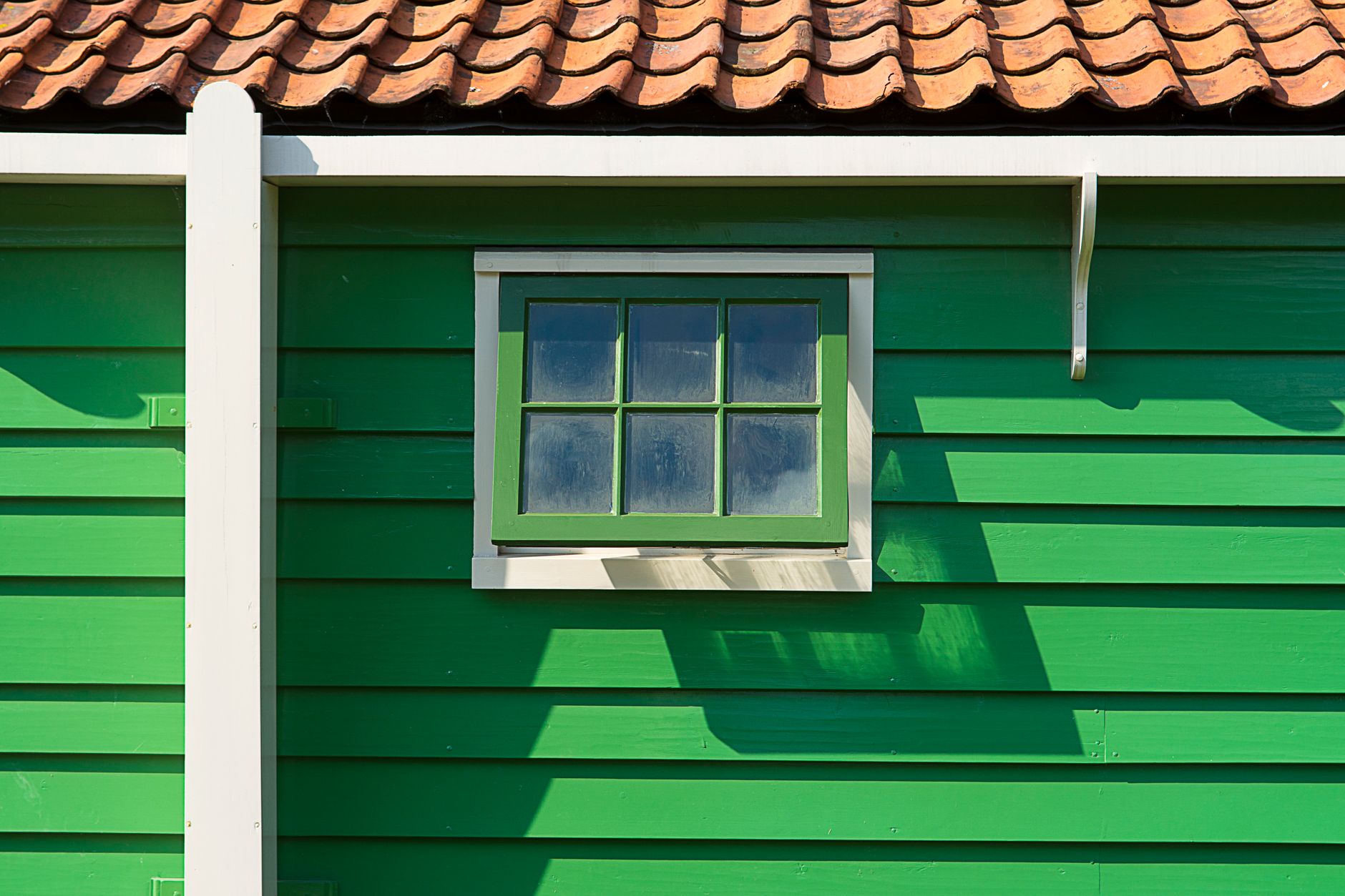
Across the prairies, where cladding swings between frozen and baking within a single day, that material also decides how long the finish holds. Here is how the common surfaces compare.
Wood siding vs. stucco: two very different surfaces to prep
Wood is forgiving to paint and punishing to prep. It moves with humidity, splits at the ends, and holds old layers of coating that can peel, blister, or chalk. Doing it right means scraping, sanding to a sound edge, spot-priming bare wood, and setting or replacing any nails that have backed out. Skip that and even excellent paint lifts within a couple of seasons.
Stucco is the opposite kind of work. The surface itself is stable and durable, but it is porous and often cracked. Prep here is about filling hairline cracks, patching larger ones with the right elastomeric or cement product, and cleaning years of grit out of the texture. Wood eats your time in sanding; stucco eats it in filling and in the sheer volume of paint that a rough, thirsty surface drinks up.
Vinyl vs. fiber cement: what each demands from a coating
Vinyl can be painted, but it sets two firm rules. You cannot go significantly darker than the original colour, because a dark coat absorbs heat and warps the panel, and you need a product formulated to flex and bond to plastic. Get either wrong and the finish buckles or peels off in sheets.
Fiber cement is far friendlier. It is dimensionally stable, takes primer and acrylic paint readily, and many boards arrive factory-primed. The catch is the cut edges and any exposed raw board, which must be sealed, and the caulking joints, which need attention before they open up. Vinyl limits your choices; fiber cement mostly just asks for clean, complete coverage.
Brick and masonry vs. lap siding: to paint or to leave
Not every surface should be painted at all, and brick is the clearest example. Painting masonry is a one-way decision: once coated, it needs recoating forever, and trapped moisture can push paint and even the brick face off the wall. It can be done well with breathable mineral coatings, but it is a commitment, not a quick refresh.
Lap siding, whether wood, engineered, or fiber cement, is built to be painted and repainted. That difference matters when you plan a project, and any reputable crew will talk through it honestly rather than coating everything in sight. It is one of the reasons the guidance at www.towersget.com/residential-painting-calgary-choosing-an-exterior-house-painting-company/ stresses matching the approach to what the wall is actually made of before any brush touches it.
Smooth finishes vs. textured surfaces: where the labour hides
Two houses can carry the same square footage and cost very different amounts to coat, and texture is usually why. A smooth board or a flat trim can be sprayed and back-rolled quickly, with predictable coverage. Heavy stucco, rough-sawn cedar, or a stone-look panel multiplies the real surface area hidden in every peak and valley.
That texture pulls more paint into each pass and slows the work, since the coating has to reach the bottom of every crevice to protect the wall. When a quote for a textured home looks high, the extra is often labour and material buried in the surface itself, not padding.
New cladding vs. weathered cladding: how age shifts the approach
Fresh cladding is close to ideal. It is clean, sound, and free of old coatings, so prep is light and the first finish tends to last its full expected life. New wood still needs priming, and new fiber cement needs its edges and joints sealed, but there is little to fight against.
Weathered cladding rewrites the plan. Decades of freeze-thaw and sun leave chalking, checked wood, failed caulk, and past paint that may or may not be holding. On an aging exterior, the paint is often the smallest part of the job; the washing, scraping, repairs, and priming are what determine whether the new coat lasts eight years or two. Judging that honestly, wall by wall, is the difference between a quote that reflects the house and one that ignores it.